Showing posts with label #forestfire. Show all posts

Tuesday, August 30, 2022

Challenges & Management of Forest Fires in India (Critical Analysis)


P.C. - Google


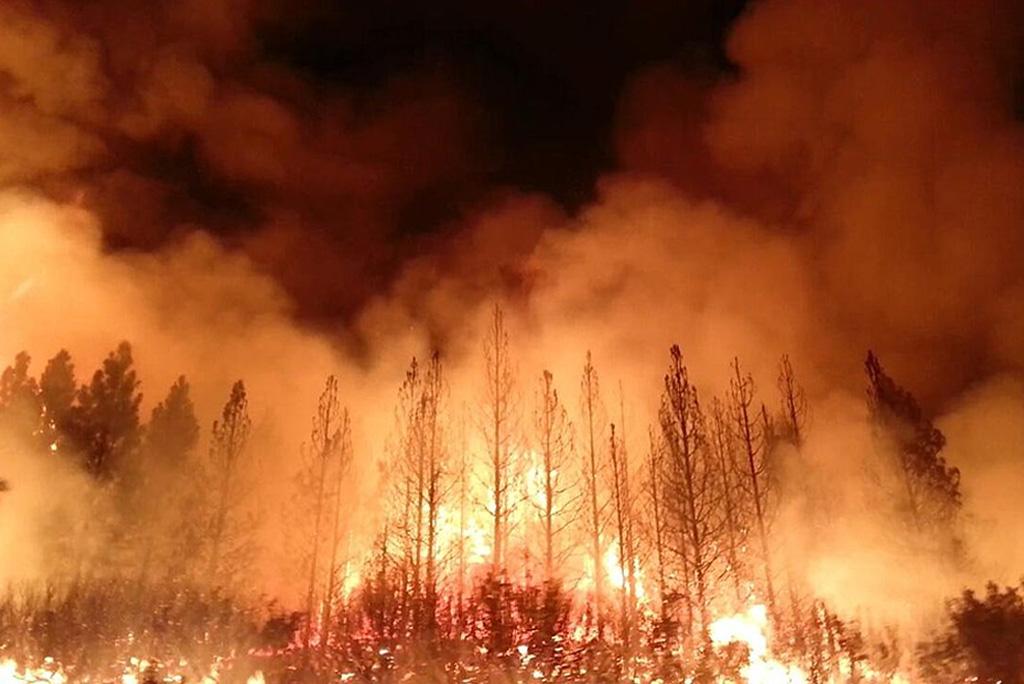
According to the forest inventory records, 54.40% of forests in India are exposed to occasional fires, 7.49% to moderately frequent fires and 2.405% to high incidence levels. In recent years, forest fires were witnessed in Himachal Pradesh, Odisha, Madhya Pradesh and Gujarat. Uttarakhand alone has witnessed over 1,000 incidents of forest fire over the last six months.

Reasons Behind Forest Fires include:

  • Natural causes: High atmospheric temperatures and dryness (low humidity) offer favorable circumstances for a fire to start. Other natural causes are lightning, friction of bamboos swaying due to high wind velocity and rolling stones that result in sparks setting off fires in highly inflammable leaf litter on the forest floor.
  • Anthropogenic causes: It includes practice of shifting cultivation, throwing burning bidis/cigarettes, flushing tendu leaves, etc. More than 95% forest fires are caused either by negligence or unknowingly by humans.
Measures :

  • Preventive: Forest fires are usually seasonal. They usually start in the dry season. Hence, through adequate checks forest fires can be prevented. This can be done through: Mapping of potentially vulnerable areas and establishment of preventions and containment plans Creation of firefighting resources such as equipments, transportation, communication devices and trained manpower. Awareness generation: People who rely on the forests for their livelihood and tourists who visit the forests should be made aware of the threat of forest fires. Clear guidelines must be given to people and vehicles that traverse through forests.

  • Curative: Fire fighters use Helicopters, airplanes and ground-based personnel to spray fire retardant chemicals, or pump water to fight the blaze. This is very expensive and not widely practiced in India. Creation of fire line:  A fire line is a line through a forest which has been cleared of all vegetation. Once the blaze has burnt out all combustibles in the affected compartment, it vanishes out and the neighbouring compartments are saved. Creation of counter fire: Firefighters create a second fire called counter fire. The counter fire rushes towards the wildfire, leaving a stretch of burnt ground. As soon as the two fires meet, the blaze is extinguished.

Challenges of Forest Fire Management in India are:
  • Lack of appropriate policy and planning to tackle forest fire: Existing forest policy and other documents, including plans etc. lack clear guidelines for forest fire management.
  • Lack of proper institutional mechanisms: A proper institutional mechanism with the sole responsibility of fire management is lacking within the forest department.
  • Emphasis on response only: Very less or negligible importance is given to other issues regarding forest fires i.e., mitigation, preparedness, human resource development, awareness creation, etc.
  • Lack of scientific approach to collect fire data and document it: The Forest Survey of India has recently started compiling forest fire data, however, at the State level, there is no concrete effort to collect and document such data and use them in research and planning.
  • Other issues: These include lack of initiatives to involve the local communities, irresponsible behaviour of citizens, lack of funding and coordination with minimal information sharing etc.

Steps Taken by the Government for Forest Fire Management in India:
  • National Plan for forest fire management:
    • Strengthening of organizational framework: Through appropriate modification and alteration in State Forest Departments’ structural framework and provision for sufficient human power.
    • National Forest Fire Danger Rating System: Designing uniform system of Forest Fire Danger Rating and reporting for all States/Union Territories.
    • Creation of a national forest fire control board: With the task of supervising the control of devastating forest fire in exigencies in fragile areas like the Himalayan zone, Western Ghats etc.
    • Promotion of people’s participation: Through involvement of NGOs, Voluntary Organisations, Village Forest Committees (VFCs) etc.
  • Forest Fire Prevention & Management Scheme (FFPMS): It is a centrally sponsored scheme with an aim to focus solely on the issue of forest fire prevention and management and related activities, to address the growing concern over adverse effects of forest fires.
  • Real time data monitoring: The Forest Survey of India has developed the Forest Fire Alert System to monitor forest fires in real time. The system uses satellite information gathered from NASA and ISRO.

In this context, investing in modern technologies for fire detection, as well as adequate fire suppression and safety equipment, while at the same time, working to build capacity across the ranks of forest officers and improving accountability will help India to control forest fires.

WAY FORWARD:

  • India has set ambitious policy goals to meet its INDC commitments under the Paris deal. A large share of its carbon sink for this is planned to be created through improving the quality and quantity of its forests. However, The World Bank has pointed out that forest fires pose a serious threat to India’s ability to expand its forest and tree cover by 2030.
  • Uncontrolled fires are a complex problem that requires a comprehensive and long term policy. It demands proper co-ordination mechanisms between the community, state governments, the forest departments, National Disaster Management Authority and the MoEF&CC. Hence the government should come up with a national policy on forest fires. In fact, the National Green Tribunal has repeatedly asked the MoEF&CC to come out with a national policy on forest fires.
  • The NDMA should be given a greater role in the management of forest fires. Since forest fires are not typically treated as disasters, the disaster management authorities have so far played a minor role in this matter. Hence, forest fires should be treated as disasters so that disaster management authorities can play a major role in planning and managing them.
  • Community participation is vital for the success of any disaster management strategy. Hence in case of forest fire management, the active participation of people, especially the tribal communities needs to be ensured. For the same, initiative like joint forest management and social forestry can be encouraged. 
  • In a climate uncertain future, India’s vulnerability towards forest fires is expected to rise in the coming years. Considering its socioeconomic impact on the country, tackling forest fires is of prime important. 
Wednesday, May 11, 2022

संयुक्त राष्ट्र पर्यावरण कार्यक्रम का ‘फायर रेडी फॉर्मूला’ (समीक्षा)


@DTE


संयुक्त राष्ट्र पर्यावरण कार्यक्रम (UNEP) ने वैश्विक सरकारों से एक नया 'फायर रेडी फॉर्मूला' अपनाने का आह्वान किया है। इससे पूर्व यू.एन.ई.पी. ने भविष्य में जंगल की आग (वनाग्नि) की घटनाओं में तीव्र वृद्धि से संबंधित चेतावनी जारी की थी। 

 फायर रेडी फॉर्मूला 
  • नए फॉर्मूले में जंगल की आग के प्रबंधन के लिये कुल बजटीय आबंटन में 66% हिस्सा नियोजन, रोकथाम, तैयारी एवं रिकवरी के लिये, जबकि शेष हिस्से को प्रतिक्रिया (Response) पर व्यय करने की परिकल्पना की गई है। 
  • यू.एन.ई.पी. की एक रिपोर्ट में यह अनुमान लगाया गया है कि वर्ष 2030 तक जंगल की आग की घटनाओं में 14% तक की वृद्धि होने की संभावना है। वर्ष 2050 तक यह वृद्धि 33% तक हो सकती है। साथ ही, वर्ष 2100 तक इसमें 52% तक की वृद्धि का अनुमान है। 

यू.एन.ई.पी. रिपोर्ट से संबंधित अन्य तथ्य 
  •  यू.एन.ई.पी. ने ग्रिड-अरेन्डल (नॉर्वे स्थित एक गैर-लाभकारी पर्यावरण संचार केंद्र) के साथ संयुक्त रूप से एक रिपोर्ट जारी की है। ये रिपोर्ट संयुक्त राष्ट्र पर्यावरण सभा के पुन: प्रारंभ होने वाले 5वें सत्र से पहले जारी की गई थी। इसके अनुसार, जंगल की आग के जोखिम को कम करने, स्थानीय समुदायों के साथ कार्य करने और जलवायु परिवर्तन का सामना करने के लिये वैश्विक प्रतिबद्धताओं को मज़बूत करने में और अधिक निवेश की आवश्यकता थी। 
  • यू.एन.ई.पी. ने इस संदर्भ में अंतर्राष्ट्रीय और क्षेत्रीय सहयोग को मज़बूत करने के आह्वान के साथ वनाग्नि प्रबंधन के लिये अंतर्राष्ट्रीय मानकों को विकसित करने की भी सिफारिश की है। वनाग्नि के बढ़ते जोखिमों के लिये जलवायु परिवर्तन के अतिरिक्त भूमि उपयोग एवं भूमि प्रबंधन प्रथाओं में परिवर्तन भी ज़िम्मेदार हैं। 
  • रिपोर्ट के अनुसार, ‘एकीकृत वनाग्नि प्रबंधन’ वैश्विक स्तर पर इस जोखिम के संदर्भ में वर्तमान एवं भविष्य के परिवर्तनों के अनुकूल था। साथ ही, अनुकूल भूमि एवं अग्नि प्रबंधन के लक्ष्य को प्राप्त करने तथा बनाए रखने के लिये नीतियों, कानूनी ढाँचे और प्रोत्साहनों के संयोजन की आवश्यकता होती है। 
  • यह वनाग्नि से प्रभावित देशों में अंतर्राष्ट्रीय सहयोग को सुगम बनाने एवं अंतर्राष्ट्रीय सहायता को सक्षम करने में सहायक होगा। 

 जंगल की आग :

 कारण -
  • जलवायु परिवर्तन के कारण विश्व के कुछ हिस्सों में बिजली गिरने की आवृत्ति में वृद्धि का अनुमान है। बिजली गिरने की घटना उत्तरी अमेरिका एवं उत्तरी साइबेरिया के बोरियल वनों (Boreal Forests) में बड़े पैमाने पर जंगल की आग का प्रमुख कारक है। 
  • चरम मौसम की घटनाएँ, जैसे- बढ़ता तापमान एवं अधिक सूखे के कारण जंगल की आग की अवधि लंबी हो रही है। 
  • वन भूमि एवं शहरी विकास के संक्रमण क्षेत्र में जंगल की आग का जोखिम सर्वाधिक स्पष्ट है। सवाना पारिस्थितिकी तंत्र में भी जंगल की आग अधिक सामान्य हो गई है। 
 
बोरियल वन (Boreal Forest) -
  •  जैविक दृष्टिकोण से बोरियल वनों को उच्च-अक्षांशीय वातावरण में उगने वाले वनों के रूप में परिभाषित किया जाता है, जहाँ 6 से 8 महीने तक जमाव तापमान रहता है। यहाँ वृक्षों की ऊँचाई न्यूनतम 5 मीटर और चंदवा कवर (Canopy Cover) 10% तक हो सकता है। 
  • बोरियल वन (टैगा) दुनिया का सबसे बड़ा स्थलीय बायोम है। बोरियल पारिक्षेत्र (Ecozone) मुख्यत: 8 देशों में विस्तृत है- कनाडा, चीन, फ़िनलैंड, जापान, नॉर्वे, रूस, स्वीडन और अमेरिका। 
  •  इस पारिक्षेत्र में प्राय: वृक्ष की शंकुधारी प्रजातियाँ, जैसे- पाइन, स्प्रूस और देवदार के साथ-साथ कुछ चौड़ी प्रजातियों वाले वृक्ष, जैसे- चिनार (Poplar) और सन्टी (Birch) पाए जाते है। 
 प्रभाव - 
  • वनाग्नि की घटनाओं में वृद्धि से संयुक्त राष्ट्र सतत् विकास लक्ष्यों, पेरिस समझौते और सेंडाई लक्ष्यों की समय पर प्राप्ति नकारात्मक रूप से प्रभावित हो सकती है। 
  • वनाग्नि का बदलता स्वरुप एवं उसकी तीव्रता, विशेषकर विकासशील देशों में, कई एस.डी.जी. लक्ष्यों को प्रभावित कर सकता है। मानव स्वास्थ्य एवं कल्याण से संबंधित एस.डी.जी. लक्ष्यों में भूख, गरीबी उन्मूलन तथा जलवायु कार्रवाई जैसे लक्ष्य शामिल हैं। 
  • जंगल की आग ने सवाना पारिस्थितिकी तंत्र में एक-चौथाई प्रजातियों को प्रभावित किया है। 

 उपाय -
  • यद्यपि वनाग्नि के जोखिम को समाप्त करना संभव नहीं है, किंतु वनाग्नि प्रबंधन एवं संबंधित घटनाओं को कम करने के लिये कदम उठाए जा सकते हैं। मौजूदा सरकारें जंगल की आग की प्रतिक्रियाओं के लिये प्राय: गलत क्षेत्र में निवेश करती हैं। यू.एन.ई.पी. के अनुसार फायर रेडी फॉर्मूला इनमें मदद कर सकता है।
  • यू.एन.ई.पी. के अनुसार, वर्ष 2021 में जंगल की आग से सर्वधिक प्रभावित क्षेत्र अफ्रीका महाद्वीप था। रिपोर्ट में जंगल की आग की निगरानी और प्रबंधन में सुधार के लिये निम्नलिखित अनुसंशाएँ की गई हैं- 
  1.  स्वदेशी अग्नि प्रबंधन तकनीकों की सराहना और उन्हें अपनाना 
  2. लंबी दूरी (Long Range) के मौसम पूर्वानुमान पर ध्यान देना 
  3. रिमोट-सेंसिंग क्षमताओं, जैसे- उपग्रहों, स्थल आधारित रडार, बिजली गिरने की घटनाओं का पता लगाने के साथ-साथ डाटा हैंडलिंग पर ध्यान देना।

Sunday, May 01, 2022

Heat Extremes In India (Critical Analysis)

@earthobservatory
@ESA

Recently, the parts of Antarctica recorded maximum temperatures that are more than 40℃ warmer than average and areas of the Arctic more than 30℃ warmer than average. In many parts of India too, winter switched to summer, with not even a fleeting spring in between. Heatwaves associated with abnormally high temperatures over certain areas, which could also be fatal to humans and animals, are also on a rise across the country, while there is a declining trend in the occurrence of cold waves.


Heat Wave : 
  • A heat wave is a period of abnormally high temperatures, more than the normal maximum temperature that occurs during the summer season in the North-Western and South Central parts of India. It is a condition of air temperature which becomes fatal to the human body when exposed.
  • The India Meteorological Department (IMD) requires that temperatures should reach at least 40℃ in the plains and at least 30℃ in the hilly regions and should reflect an increase of at least 5℃-6℃ above the normal temperature to be classified as a heatwave.
  • The combination of global warming and population growth in already- warm cities in India is the primary driver of increased heat exposure. The Urban Heat Island also elevates temperatures within cities, which will be amplified during the heatwaves. UHIs occur when cities replace natural land cover with dense concentrations of pavement, buildings, and other surfaces that absorb and retain heat.


Scenario of The Heat Wave in India : 
  • India, along with Bangladesh and Pakistan, recorded the greatest losses to work hours (295 billion hours) due to heat exposure in 2020, according to the Lancet Countdown on Health and Climate Change released in 2021.
  • India has become 15% more vulnerable to extremes of heat than in 1990.
  • Indian senior citizens were among the most affected ones due to heatwave exposure.
  • More recently, most parts of western Rajasthan, Maharashtra, and parts of Gujarat, Odisha are reeling under severe heat wave-like conditions, with maximum temperatures hovering well over 40℃.
  • The foothills of the Western Himalayas recorded very high day and night temperatures - 12 to 16 degrees above normal.
  • Delhi recently recorded a 42℃+, 12 degrees above normal.
  • The IMD’s long-term temperature trends indicate that the climate crisis is having a pronounced impact on increasing the frequency and severity of heatwaves in India.
  • Average temperatures across seasons have seen a sharp upward trend in the country since 1991.
  • The temperature rising trend is more evenly pronounced during monsoon (June to September) and post-monsoon (October to December) seasons.


Impact on Human Being : 
  • Mortality and Morbidity - The Intergovernmental Panel on Climate Change (IPCC) in the Second Part of AR6 Report flagged that heat extremes are causing human deaths and morbidity.
  • The increased heat will lead to an increase in diseases like diabetes, circulatory and respiratory conditions, as well as mental health challenges.
  • Crop Damage - The fallout of these heat waves is far more complex - the concurrence of heat and drought events are causing crop production losses and tree mortality.
  • Less Food Production and High Prices - The risks to health and food production will be made more severe from the sudden food production losses exacerbated by heat-induced labour productivity losses.
  • These interacting impacts will increase food prices, reduce household incomes, and lead to malnutrition and climate-related deaths, especially in tropical regions.
  • Labour Productivity Loss - A higher urban population also implies heat- induced labour productivity loss, resulting in economic impacts.
  • Millions of farmers and construction workers could have lost income because on some days it’s just too hot for them to work.
  • Wildfires and Droughts - The Lancet report, 2021 showed that populations of 134 countries experienced an increase in exposure to wildfires with droughts becoming more widespread than ever before.
  • Electricity supply


Steps to be taken : 
  • Adopting A More Sensitive Approach - The impact of such excessive heat needs to be understood from the point of view of common people — daily labourers; farmers; traders; fishermen etc.
  • Beyond numbers and graphs that capture the impact of the climate crisis, the human experience of living in oppressive heat needs to be understood by policymakers and measures should be taken accordingly.
  • Cooling Shelters - The government should come out with a policy to deal with the suffering and disability caused by heat extremes in different parts of the country.
  • Water kiosks, staggered outdoor work hours, cool roofs for buildings and homes are certain things that should be put in place immediately.
  • A number of emergency cooling shelters can be opened so that people without domestic air conditioning units can escape the heat.
  • Portable air-conditioning units, along with fans and even ice are also useful.
  • Passive Cooling to Reduce Urban Heat Islands - Passive cooling technology, a widely-used strategy to create naturally ventilated buildings, can be a vital alternative to address the urban heat island for residential and commercial buildings.
  • The IPCC report cites ancient Indian building designs that have used this technology, which could be adapted to modern facilities in the context of global warming.
  • Action Plans Similar to Ahmedabad - As per the IPCC Report, Ahmedabad has shown the way to combat heat extremes by heat-proofing buildings.
  • After the heat action plan was implemented in 2013 in Ahmedabad, heat-related mortality reduced by 30% to 40% over the years. Similar plans like that of Ahmedabad can be implemented in vulnerable regions.
  • Replacing Dark Roofs - A big reason that cities are so much hotter than rural areas is that they are covered by dark roofs, roads and parking lots that absorb and retain heat.
  • One of the long term solutions can be replacing the dark surfaces with lighter and more reflective materials; it will result in a comparatively cooler environment.